Skip to content
Boiler Noise Problems and how to Fix
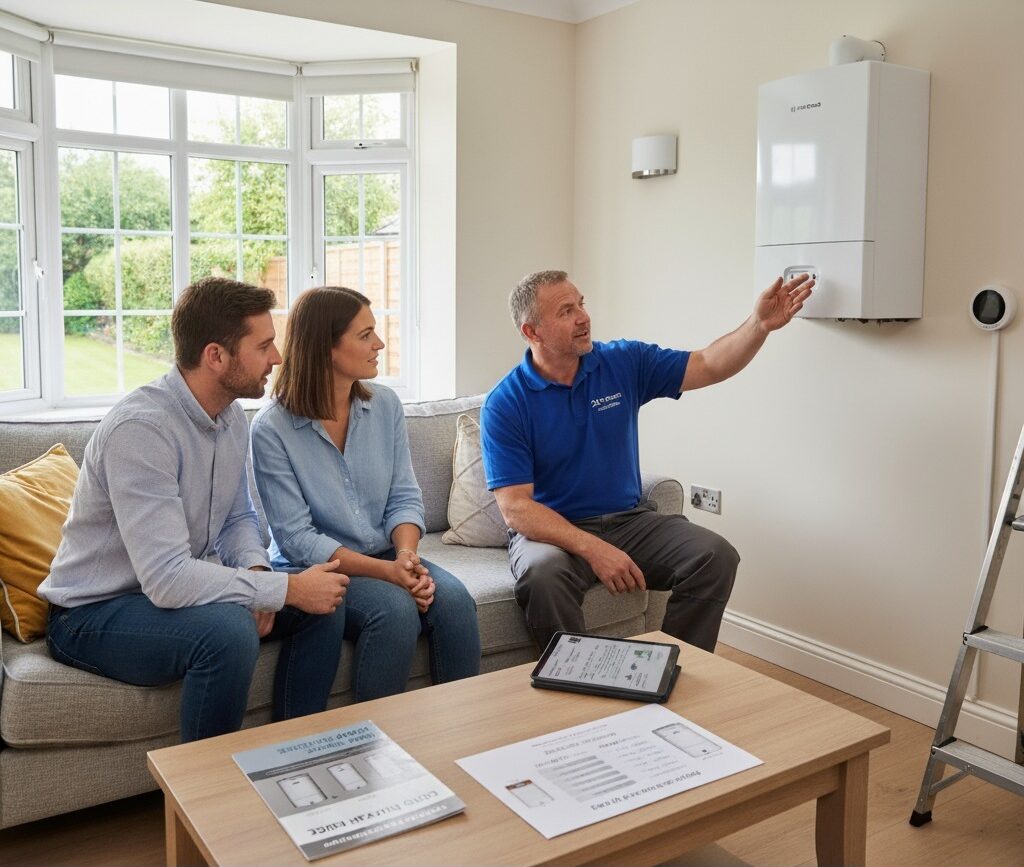
If your boiler has started making strange noises, you’re probably wondering what’s going on. Maybe it’s a loud bang that makes you jump, a constant gurgle coming from the radiators, or a high-pitched whistle that sounds like your kettle never stops boiling.
Whatever the sound is, don’t worry, you’re not the only one dealing with it.
Boilers make noise for many reasons. Some reasons are completely normal, and some are signs of a bigger problem. In this guide, I’ll walk you through the most common boiler noises, why they happen, and what you can do to fix them.
Think of this as a friendly chat with a heating engineer who’s genuinely trying to help you understand your boiler.
Why Boilers Make Noise (A Simple Explanation)
Boilers are full of moving water, pressure changes, metal parts expanding with heat, pumps spinning, and gas burning. Because of that, they will naturally make a bit of noise.
Normal noises include a gentle hum, a soft whoosh when the boiler fires up, or a couple of clicks when the heating turns on or off. These are nothing to worry about.
The noises you should pay attention to are the ones that appear suddenly, grow louder over time, or make you feel uncomfortable. These usually happen because of things like trapped air, low pressure, limescale, sludge, pump issues, or combustion problems.
Let’s break them down one by one.
Normal Boiler Sounds vs Problem Sounds
Normal sounds
If you hear a quiet humming, a light whoosh, a bit of clicking during startup, or gentle water movement, that’s completely normal.
Problem sounds
Loud banging, persistent gurgling, whistling, vibrating, or scraping generally means something needs attention.
Dangerous sounds
If you smell gas or hear a loud popping sound, leave the property and contact the National Gas Emergency Service straight away.
Boiler Noise Diagnosis Guide (Quick Overview)
Here is a very simple overview of what each noise usually means:
- Banging
- Whistling or kettling
- Gurgling
- Vibrating
- Humming
- Clicking
- Buzzing or whining
- Grinding
- Dripping sounds
- Hissing
Now let’s go into each noise in more detail, with simple fixes where possible.
Banging Noises
Banging is one of the most common and most worrying boiler noises. It can sound like someone hitting metal with a hammer, or like the boiler is shaking itself.
Why banging happens
The most common reason is limescale. In hard water areas, limescale builds up inside the heat exchanger. It blocks water flow, overheats the water, and causes pockets of steam to expand and collapse. This creates the banging sound.
Another cause is delayed ignition, where gas builds up before the boiler finally lights. This can create a small “pop” or “bang.” This one needs immediate professional attention.
Other causes include a failing pump, water hammer in the pipes, and the thermostat overheating the boiler by switching on and off too quickly.
What you can try
Check your boiler pressure first. It should be around 1 to 1.5 bar. If it’s low, top it up. If it’s too high, reduce it (your gauge will show you). Learn how to reduce boiler pressure. You can also bleed the radiators if they feel cold at the top, because trapped air can make the system bang and knock.
When you need an engineer
If the banging continues after these checks, you’ll need a heating engineer to:
- Perform a power flush
- Clean or replace the heat exchanger
- Fix delayed ignition
- Replace the pump if it’s worn
Banging rarely fixes itself, so it’s better to get it checked.
Whistling or Kettling Noises
If your boiler sounds like a whistling kettle, you’re hearing what engineers call kettling. It usually means the boiler’s heat exchanger is overheating because water can’t flow through it properly. The Energy Saving Trust has more guidance on improving home heating efficiency.
Why kettling happens
Limescale is almost always the cause. Think of it like your boiler getting “blocked arteries.” When water is trapped and overheats, it turns to steam, which whistles as it escapes. Other causes include a weak pump, a thermostat set too high, or sludge in the system.
What you can try
Check your thermostat setting. If it’s extremely high, turn it down to see if the noise reduces. Also, check the pressure and radiators.
When you need an engineer
Kettling needs a professional. A power flush, descaling treatment, or new heat exchanger will usually solve it.
Gurgling Noises
Gurgling is one of the easier boiler noises to deal with.
It usually sounds like bubbling, trickling water, or air moving around.
Why gurgling happens
It’s normally caused by one of these:
- Trapped air in the radiators
- A frozen condensate pipe
- Low pressure in the system
- Pump running too fast
What you can try
Bleed your radiators. This usually fixes gurgling in minutes.
Check the boiler pressure and top it up if needed.
If it’s winter, look outside at the condensate pipe. If it’s frozen, thaw it gently with warm water.
When to call an engineer
If gurgling comes back within a few days, you might have a leak or a failing air vent. That needs a professional.
Vibrating or Rattling Noises
A vibrating boiler can feel worrying, but it’s often something simple.
Why vibrating happens
- Loose screws on the boiler casing
- Pipes not clipped properly
- Pump bearings wearing out
- Fan wobbling
- Boiler brackets getting loose on the wall
What you can try
Tighten any visible screws on the outside of the boiler (but never open the boiler itself). Check that the pipes around the boiler are clipped to the wall. If they’re touching wood or plaster, they can rattle loudly.
When you need an engineer
If the vibration feels strong or the boiler looks like it’s shaking, you need a Gas Safe engineer to check the pump or fan.
Humming Noises
A soft hum is normal. A loud humming that fills the room is not.
Why humming happens
This usually means the boiler pressure is too high, or the pump is running faster than it should.
Loose components and worn fans also create humming.
What you can try
Look at your pressure gauge. If it’s above 2 bars, reduce it (your filling loop lets water out).
When you need an engineer
If the humming doesn’t go away, the pump or fan may need adjusting or replacing.
Clicking or Tapping Noises
Clicking usually happens when the metal pipes expand and contract as they heat up. This is normal.
When clicking is a problem
If you hear rapid clicking or constant tapping, especially when the boiler tries to ignite, that means:
- Ignition failing
- Gas supply issue
- Worn electrode
- Pipes hitting walls or floorboards
What to do
Check if other gas appliances work.
If they don’t, it might be a gas supply problem.
If they do, the issue is inside the boiler and needs an engineer.
Buzzing or Whining Noises
Buzzing usually points to an electrical issue or a pump on its way out. Whining often means a fan or pump is struggling. These noises should not be ignored because the parts involved can fail completely.
A Gas Safe engineer will be able to check the electrics, pump, and fan.
Grinding or Scraping Noises
This noise is always serious. It means metal parts inside the boiler are rubbing against each other. The most common cause is a failing pump bearing.
If you hear grinding:
- Turn the boiler off
- Don’t use it again
- Call an engineer immediately
Leaving it running can cause more expensive damage.
Dripping or Hissing Noises
Dripping usually means there’s a leak somewhere inside the boiler. Hissing may be steam escaping from overheated water or a pressure issue. If you ever smell gas with hissing sound, leave your home and call the emergency gas line.
Otherwise, turn the boiler off and book a repair.
Boiler Noise by Brand
Different brands often have different common noise issues.
- Worcester Bosch: Often develop kettling if not serviced regularly.
- Vaillant: Fans can get noisy as they age.
- Ideal:Diverter valves sometimes click or chatter.
- Baxi: Older models can suffer pump noise or kettling in hard-water areas.
DIY Checks Before Calling an Engineer
Before you book a repair, check these five things:
- Boiler pressure
- Radiators with trapped air
- TRVs and radiator valves fully open
- Condensate pipe outside
- Pipes touching walls or floorboards
You’ll be surprised how many boiler noises disappear after these steps.
When You Should Call a Gas Safe Engineer
Call a Gas Safe engineer immediately if:
- You hear loud banging
- You smell gas
- The boiler screams or whines sharply
- There’s grinding
- The boiler leaks
- The boiler keeps shutting down
These noises can indicate dangerous problems.
How Much Boiler Noises Cost to Fix (2026 Prices)
- Power flush: around £300 to £600
- Pump replacement: £150 to £400
- Heat exchanger replacement: £400 to £800
- Fan replacement: £150 to £350
- Simple adjustments or leak fixes: £80 to £150
Getting a boiler noise checked early almost always saves money.
How to Prevent Boiler Noises
A quiet boiler starts with good maintenance. An annual service, inhibitor in the system, clean radiators, a magnetic filter, and correct pressure all help stop noises before they start. If you live in a hard-water area, a water softener can also make a big difference.
Final Thoughts: Don’t Ignore Boiler Noises
Your boiler is one of the hardest-working appliances in your home, and when it starts making noise, it’s trying to tell you something. Most boiler noises are simple to diagnose and fix. Others are early warnings of bigger issues. If the noise is new, getting louder, or making you uncomfortable, it’s always worth having an engineer check it.
Need a Noisy Boiler Repaired in Slough or Surrounding Areas?
ZR Heatings is here to help. We deal with all boiler noises, banging, whistling, gurgling, vibrating, humming, and more. We offer same-day appointments, and all work is carried out by Gas Safe-registered engineers

how to bleed radiators correctly
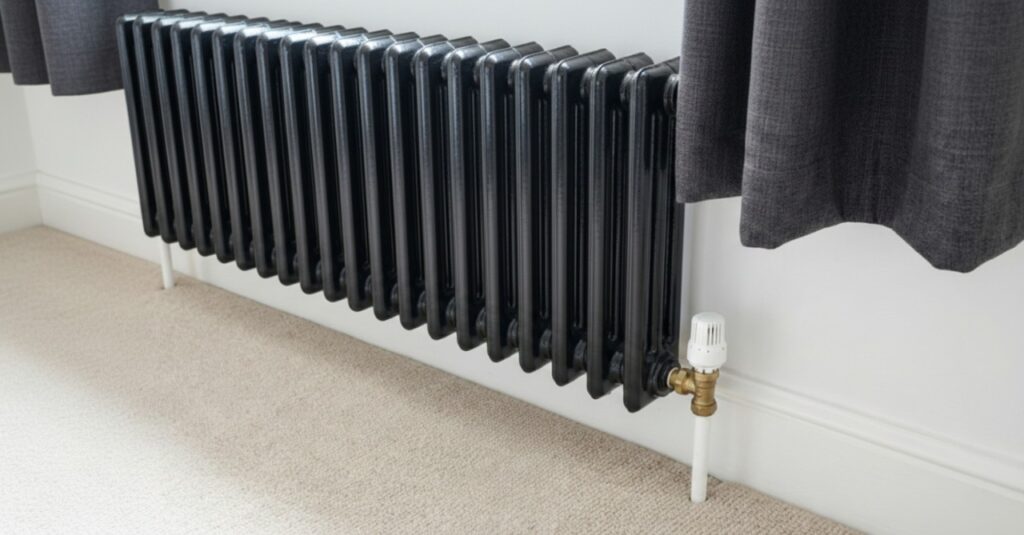
Radiators Not Heating Properly