Skip to content
complete guide
how to bleed radiators correctly
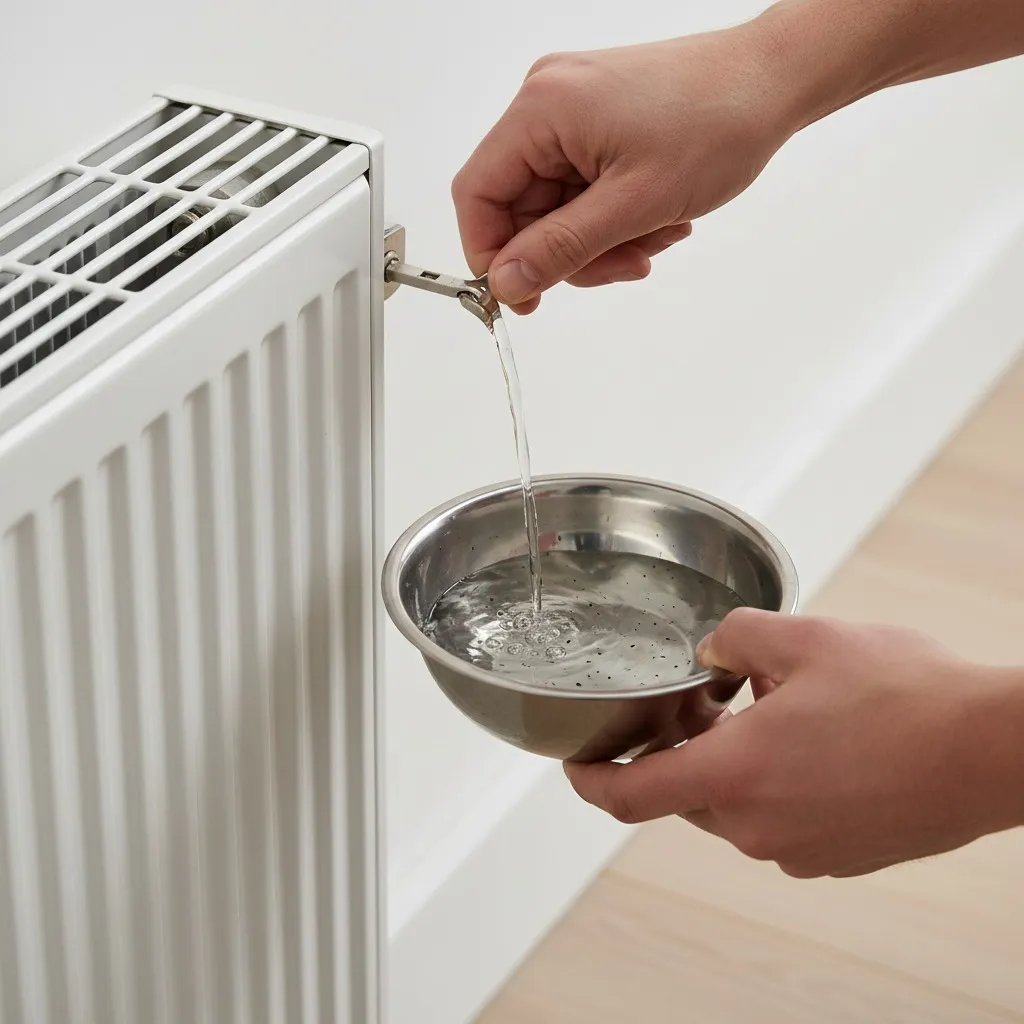
If your radiators are not heating properly, feel cold at the top, or your boiler is making strange gurgling noises, trapped air is often the hidden cause. Bleeding radiators is one of the simplest yet most effective maintenance tasks UK homeowners can do to restore heating efficiency, reduce boiler noise, and lower energy bills.
Many people delay bleeding radiators because they think it is complicated or risky. In reality, when done correctly, radiator bleeding is safe, quick, and highly beneficial for your central heating system.
In this guide, you will learn why radiators stop heating properly, how trapped air affects heating performance, how to spot the warning signs early, and exactly how to bleed radiators step by step. You will also understand when bleeding is not enough and when it is time to call a professional heating engineer.
What Does Bleeding a Radiator Mean?
Bleeding a radiator means releasing trapped air from inside the radiator so hot water can circulate freely again. Over time, small amounts of air enter the central heating system through normal use, maintenance work, or pressure changes.
Why Radiators Stop Heating Properly
Radiators rely on hot water circulating freely through the system. When anything interrupts that flow, heat distribution suffers. One of the most common reasons radiators stop heating properly is trapped air inside the system.
Air enters heating systems naturally over time through small leaks, pressure changes, maintenance work, or after a boiler installation or power flush. Once inside, air rises and collects at the top of radiators, pushing hot water out of the way.
This results in radiators that feel warm at the bottom but cold at the top, uneven heat across rooms, noisy pipes, and increased strain on the boiler. Left unresolved, this inefficiency can increase heating costs and shorten the lifespan of system components.
How Trapped Air Affects Heating Efficiency
Trapped air blocks the movement of hot water. When water cannot circulate properly, radiators take longer to heat up and may never reach their full temperature. The boiler then works harder to compensate, burning more energy for less heat output.
Air pockets also disrupt pressure balance within the system. This often leads to boiler noise such as bubbling, whistling, or knocking sounds. Over time, these issues can escalate into more serious faults if not addressed.
Bleeding radiators removes trapped air, allowing hot water to flow freely again. This simple action improves efficiency, restores comfort, and reduces unnecessary wear on your heating system.
Signs Your Radiators Need Bleeding
Knowing when radiators need bleeding helps you act early before problems worsen. Common signs include:
- Radiators that are cold at the top but warm at the bottom
- Gurgling or bubbling sounds from radiators or pipes
- Boiler making noise shortly after the heating switches on
- Radiators are taking much longer than usual to heat up
- Uneven heat distribution between rooms
If one or more of these symptoms appear, bleeding radiators is often the first and easiest solution to try.
When Should You Bleed Radiators?
Timing matters when bleeding radiators. The most effective moments include:
- Before winter, when heating demand increases
- After installing a new boiler or radiator
- After a power flush or system drain
- When boiler pressure drops unexpectedly
- When radiators show signs of trapped air
In most UK homes, radiators should be bled once a year. Older systems may require more frequent bleeding, while newer sealed systems with inhibitors may need it less often.
Is It Safe to Bleed Radiators Yourself?
For most homeowners, bleeding radiators is safe when basic precautions are followed. DIY bleeding is suitable if:
- Radiators are only partially cold
- There are no visible leaks
- Boiler pressure remains stable
- You are confident using simple tools
However, you should avoid bleeding radiators if the system repeatedly fills with air, boiler pressure keeps dropping, or radiators never fully heat even after bleeding. These signs may indicate leaks, sludge buildup, faulty valves, or pump issues.
In such cases, it is best to call a Gas Safe-registered engineer to investigate further.
What You Need Before You Start
Before bleeding radiators, gather the following items:
- A radiator bleed key or flat screwdriver for modern valves
- A cloth or towel to protect floors and walls
- A small container to catch water
- Gloves, if preferred, for grip and cleanliness
- Access to the boiler pressure gauge
Preparation helps ensure the process is clean, controlled, and stress-free.
Step-by-Step Guide: How to Bleed Radiators Correctly
Step 1: Turn Off Your Heating
Always turn off the heating system before bleeding radiators. This prevents hot water from spraying out and allows air to rise naturally to the top of the radiator.
Wait at least thirty minutes for radiators to cool fully. Bleeding while the system is hot increases the risk of burns and inaccurate air release.
Step 2: Start with the Lowest Radiator
Order matters when bleeding radiators. Always begin with the lowest radiator in the house, usually downstairs and furthest from the boiler.
Starting low allows trapped air to be released systematically without being pushed around the system. Work your way upward, finishing with the highest radiator.
Step 3: Open the Bleed Valve
Locate the bleed valve near the top corner of the radiator. Insert the bleed key or screwdriver and turn slowly anticlockwise.
You should hear a hissing sound. This indicates trapped air escaping. Keep the cloth and container ready in case water appears.
Step 4: Release Air Until Water Appears
Allow air to escape until the hissing stops and a steady stream of water begins. At this point, close the valve firmly but gently.
Only a small amount of water loss is normal. Avoid over-opening the valve, as this can release too much water and cause pressure problems.
Step 5: Repeat for All Radiators
Continue bleeding each radiator in the correct order. Listen carefully for air release at each one. Some radiators may not release air at all, which is normal.
Once all radiators are done, you are ready to check the boiler pressure.
Check Boiler Pressure After Bleeding
Bleeding radiators releases air but also reduces system pressure slightly. It is essential to check the boiler pressure gauge once finished.
For most UK systems, normal boiler pressure when cold is between one and one point five bar. If pressure is too low, follow the manufacturer’s instructions to top it up using the filling loop.
Restoring correct pressure ensures the boiler operates safely and efficiently.
Common Mistakes to Avoid
Many radiator bleeding issues arise from simple mistakes, including:
- Bleeding radiators while the heating is on
- Opening the bleed valve too far
- Forgetting to check the boiler pressure afterwards
- Ignoring repeated air buildup in the system
Avoiding these errors protects your heating system and prevents unnecessary faults.
Radiator Still Cold After Bleeding?
If a radiator remains cold after bleeding, the problem may be more complex. Possible causes include:
- Sludge buildup is restricting water flow
- Radiator balancing issues
- Faulty or stuck thermostatic radiator valves
- Circulation pump problems
In these cases, bleeding alone will not solve the issue. Professional inspection may be required.
Does Bleeding Radiators Fix Boiler Noise?
Bleeding radiators often resolves gurgling, bubbling, and whistling noises caused by trapped air. These sounds usually occur when air moves through pipes and radiators.
However, loud banging or kettling noises often indicate limescale buildup inside the boiler heat exchanger. Bleeding radiators will not fix kettling, and professional servicing is required.
Understanding the difference between air noise and boiler faults helps avoid unnecessary repairs.
How Often Should You Bleed Radiators?
For most UK homes, bleeding radiators once per year is sufficient. Older systems or homes with frequent pressure loss may need bleeding more often.
If you find yourself bleeding radiators every few weeks, this usually indicates an underlying problem, such as leaks or corrosion, that should be investigated find out how to re-pressurise your boiler here
When to Call a Heating Engineer
You should contact a professional heating engineer if:
- Air returns quickly after bleeding
- Boiler pressure keeps dropping
- Radiators never fully heat
- The boiler remains noisy after bleeding
- You suspect leaks or pump faults
Professional diagnosis ensures safety and prevents long-term damage.
FAQs About Bleeding Radiators
Do I need to bleed all radiators?
Yes, bleeding all radiators ensures air is fully removed from the system, and heat circulates evenly.
Should I bleed radiators every year?
In most UK homes, annual bleeding before winter is recommended.
Can bleeding radiators damage my boiler?
No, when done correctly, bleeding radiators protects your boiler by improving circulation.
Why does my boiler lose pressure after bleeding?
Pressure drops because air is removed from the system. Topping up restores normal pressure levels.
Final Tips for Efficient Radiators
To keep your heating system running efficiently and your home comfortable:
- Keep your radiators properly balanced
- Book an annual boiler service
- Use inhibitor fluid to help reduce corrosion
- Install a magnetic filter to prevent sludge buildup
- Check your boiler pressure every month
Regular care goes a long way. It keeps your home warm, helps lower your energy bills, and extends the life of your heating system.
how to bleed radiators correctly
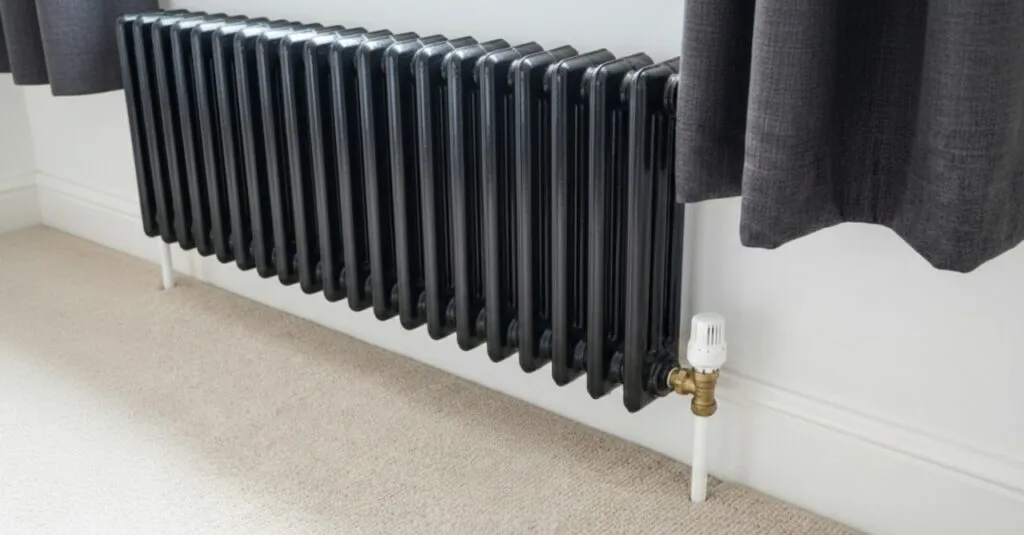
Radiators Not Heating Properly