 Skip to content
How to Read Your Boiler Display Codes

Ever woken up on a freezing morning to find your boiler’s flashing like a Christmas tree with strange numbers on the screen? You’re not alone. Those mysterious codes can feel like your boiler’s speaking a foreign language but here’s the good news: once you know what they mean, fixing many issues becomes surprisingly straightforward.
Imagine this it’s 6am, you’re getting ready for work, and suddenly you notice the house feels like an icebox. You check the boiler and there it is a flashing light and some weird code like “F22” or “EA” staring back at you. Your heart sinks. Is it broken? Will it cost a fortune? Do you need to take the day off work to wait for an engineer?
We get it. At ZR Heatings, we take dozens of calls every week from worried homeowners across Slough who’ve woken up to exactly this situation. But here’s something that might surprise you: many of these “emergencies” can actually be sorted out in minutes once you understand what your boiler’s trying to tell you.
Understanding Boiler Error Codes Your Boiler's "Language"
Think of error codes like warning lights in your car. When your car’s fuel light comes on, you know exactly what to do fill up with petrol. Boiler codes work the same way. They’re not there to confuse you; they’re actually your boiler’s way of saying “Hey, something specific needs attention here.”
Each code points to a particular issue. Some are simple fixes you can handle yourself, like topping up water pressure. Others are warning you about safety issues that need a professional. The trick is knowing which is which.
Our Experience With Daily Error Code Callouts
Working across Slough, Windsor, Maidenhead, and the surrounding Berkshire areas, we’ve probably seen every error code imaginable. Some weeks during winter, frozen pipes alone account for half our emergency callouts. We’ve helped hundreds of families get their heating back on, sometimes with just a quick phone call explaining what to check.
That’s why we’ve put this guide together. We want you to feel confident dealing with common codes, and to know when it’s time to call in the experts.
Safety First What You Can and Can't Fix
Let me be crystal clear about something important: not all boiler problems are safe to fix yourself.
You CAN safely:
- Top up your boiler’s water pressure using the filling loop
- Thaw a frozen condensate pipe from the outside
- Reset your boiler (within reason)
- Bleed radiators
- Check your thermostat settings
You absolutely CANNOT legally or safely:
- Open the boiler casing (unless you’re Gas Safe registered)
- Work on gas pipes or valves
- Replace internal components
- Override safety features
- Ignore repeated fault codes
If you smell gas or see repeated safety lockouts, turn everything off and call a Gas Safe engineer immediately. At ZR Heatings, we’re available for emergency callouts because some situations genuinely can’t wait.
Where to Find Your Boiler Error Code
Before we dive into specific codes, you need to know where to look for them.
Display Screens on Modern Boilers
Most boilers made in the last 10-15 years have digital display screens. Brands like Worcester Bosch, Vaillant, Ideal, and Baxi show error codes right on the front of the unit. They usually appear as:
- A letter and number combination (like F22 or EA)
- Just numbers (like 229)
- A flashing symbol alongside a code
The screen might be showing the code constantly, or it might flash between the code and normal information. Check your boiler’s manual, but usually there’s a specific button you press to see fault codes.
Flashing Lights & Symbols on Older Models
Got an older boiler without a fancy digital screen? Don’t worry. These models use LED lights that blink in patterns to tell you what’s wrong.
Common light patterns:
- Red light flashing – Usually means the boiler has locked out for safety
- Blue light flashing – On Worcester boilers, this often means it’s trying to ignite
- Green light solid – Generally means everything’s working normally
- Amber/yellow light – Warning or service needed
Your boiler’s manual will have a chart explaining what different light combinations mean. If you’ve lost the manual, most manufacturers have them available as PDFs on their websites.
Codes That Appear on Smart Thermostats
Here’s something that catches people out: sometimes the error code appears on your thermostat, not the boiler itself. Smart thermostats like Hive, Nest, or Vaillant’s own controls often display boiler faults.
If your heating isn’t working, check both your boiler AND your thermostat screen. The code might only appear on one or the other.
The Big Four Boiler Brands Most Common Error Codes Explained
Let’s get into the nitty-gritty. These are the codes we see most often in homes across Slough and Berkshire.
Worcester Bosch Error Codes
Worcester Bosch is probably the UK’s most popular boiler brand, so we see these codes constantly.
EA – Flame Detection Failure
This is THE big one during winter. Your boiler’s trying to light, but the flame either won’t ignite or the boiler can’t detect it.
What it usually means: During cold snaps, this is almost always a frozen condensate pipe. The condensate pipe carries wastewater from your boiler to an outside drain. When it freezes, your boiler shuts down.
DIY fix:
- Find your condensate pipe (usually a white or grey plastic pipe going outside)
- Pour warm (not boiling!) water over the frozen section
- You might hear a gurgling sound as it thaws
- Reset your boiler once the pipe is clear
A1 or 229 – Low Water Pressure
Your heating system has lost pressure and needs topping up.
DIY fix:
- Find your filling loop (usually underneath the boiler)
- Make sure both ends are connected
- Slowly open the valve(s) until the pressure gauge reaches 1-1.5 bar
- Close the valves tightly
- Reset the boiler if needed
Blue Light Flashing
On older Worcester models, this means the boiler’s trying to fire up. If it stays flashing for more than a minute or two without the heating coming on, there’s likely an ignition problem. This needs a professional check could be the gas valve, electrode, or PCB. For more Worcester-specific codes, check Worcester Bosch Support.
Vaillant Error Codes
Vaillant makes excellent boilers, but they’re quite sensitive to certain issues.
F22 – Low Water Pressure / Dry Fire
This is Vaillant’s version of “your pressure’s too low.” It’s the single most Googled Vaillant error code, so you’re definitely not alone if you’re seeing it.
Fix: Use your filling loop exactly as described above for Worcester’s A1 code. Vaillant boilers need pressure between 1 and 1.5 bar when cold.
F28 / F29 – Ignition Failure
Your boiler’s trying to light but can’t get the gas igniting properly.
Common causes:
- Gas supply issue (check your meter isn’t empty or hasn’t tripped)
- Frozen condensate pipe
- Faulty ignition electrode (needs an engineer)
Quick checks: Make sure your gas meter shows credit, check other gas appliances work, look for ice on the condensate pipe.
F75 – Pressure Sensor or Pump Issue
This is common on Vaillant EcoTEC boilers. Either the pressure sensor is failing or there’s a circulation problem.You can find the complete list in Vaillant’s error code library.
What to try: Check your pressure is correct, then try resetting. If F75 keeps coming back, you’ll need an engineer to diagnose whether it’s the sensor or pump.
Ideal Boiler Error Codes
Ideal boilers are solid workhorses, but they have their quirks.
L2 – Ignition Lockout
Your boiler tried to light several times and failed, so it’s locked itself out for safety.
DIY checks:
- Is there gas? (Check meter and other appliances)
- Is the condensate pipe frozen?
- Try a proper reset (hold the reset button for 3-5 seconds)
If L2 returns immediately or within a few hours, there’s a genuine fault that needs professional attention.
F1 – Low Pressure
Same issue as the other brands, system pressure has dropped below the safe operating level.
Fix: Top up using the filling loop until you reach 1-1.5 bar on the gauge.
L9 / H9 – Heat Exchanger Overheating
This is more serious. Your heat exchanger is getting too hot, which usually means water isn’t circulating properly.
Possible causes:
- Air in the system (bleed radiators)
- Pump failure
- Blocked heat exchanger
- Thermostat issues
Try bleeding your radiators first. If that doesn’t help, call an engineer.
Baxi Error Codes
Baxi boilers are budget-friendly and reliable, but certain codes come up regularly.
E119 – Low System Pressure
You’re sensing a pattern here, right? Low pressure is the most common fault across ALL brands.
Fix: Fill the system to 1-1.5 bar using your filling loop.
E133 – Gas Supply Issue
This code specifically points to a problem with gas getting to the boiler.
Common in Slough because: Many homes have prepayment gas meters. If your credit runs out, E133 appears.
Check: Your gas meter has credit, the emergency control valve is fully open, other gas appliances work.
E168 – Unidentified Internal Fault
This is Baxi’s way of saying “something’s wrong with the control board, but I’m not quite sure what.” Usually means a PCB (printed circuit board) issue. More Baxi-specific codes can be found at Baxi customer support.
Important: Don’t keep resetting if you see E168. Each reset can stress the electronics further. Call an engineer after the second reset attempt.
Universal Faults That Affect Every Boiler Brand
Some problems cause similar codes across different manufacturers.
Low Water Pressure
Shows as: F1, F22, E119, A1, 229 (depending on brand)
This is far and away the most common boiler fault. Your heating system is essentially a sealed loop of water. Over time, tiny amounts escape through seals, valves, and radiator vents.
How to fix it properly:
Step | What to Do |
1 | Turn off your boiler |
2 | Locate the filling loop (usually under the boiler, looks like a silver braided hose or has blue levers) |
3 | Make sure both ends are connected |
4 | Slowly open the valve(s), you’ll hear water flowing |
5 | Watch the pressure gauge – stop when it reaches 1 to 1.5 bar |
6 | Close the valves TIGHTLY |
7 | Check for leaks around the filling loop |
8 | Turn the boiler back on and reset if needed |
Local tip for Slough homes: We have quite hard water in this area. Over time, the valves on filling loops can seize up with limescale. If your valve won’t turn smoothly, DON’T force it. You might crack the fitting and cause a leak. Give us a call instead.
Frozen Condensate Pipe
Shows as: EA, F28, L2, and various ignition-related codes
Every winter, this becomes our most common emergency callout. Modern condensing boilers produce condensate (acidic water) that drains outside. When temperatures drop below freezing, this pipe can ice up.
Safe DIY defrost method:
- Find the pipe – Usually 21-32mm white or grey plastic pipe running to an outside drain
- Locate the frozen section – Usually where it’s most exposed outside
- Warm it gently – Pour warm (NOT boiling) water over the frozen part
- Listen – You should hear gurgling as the ice melts
- Reset your boiler – Should fire up normally once clear
Prevention: Lagging (insulating) your condensate pipe costs about £5 and takes 10 minutes. Do it before winter hits.
Red Flag Error Codes, When You Should Never DIY
Some codes mean “stop, call a professional immediately.” Not sure if your engineer is qualified? You can find a qualified engineer in your area using the official register.
Fan Speed & Airflow Faults (e.g., C6 on Worcester)
Your boiler’s fan removes dangerous exhaust gases. If the fan fails or the flue is blocked, carbon monoxide could enter your home. These faults need immediate professional attention.
Gas Valve & Combustion-Related Faults
Warning signs:
- Smell of gas around the boiler
- Boiler repeatedly locking out
- Yellow or orange flames (should be blue)
- Sooty marks around the boiler
What to do: Turn off the gas supply at the meter, open windows, don’t use electrical switches, and call a Gas Safe engineer immediately.
PCB / Electronic Control Failures
The PCB (circuit board) is your boiler’s brain. Diagnosing these faults requires specialized testing equipment. Don’t be tempted to replace components yourself, you can cause more expensive damage.
If you’re in Slough or surrounding areas, call ZR Heatings on emergency for same-day support.
How to Reset Your Boiler the Right Way
Resetting might sound simple, but there’s a right way to do it.
The 3–5 Second Reset Rule
Most modern boilers need you to hold the reset button for 3-5 seconds, not just tap it. A quick press often does nothing.
Proper reset method:
- Make sure you’ve fixed the underlying problem first
- Hold the reset button firmly for 3-5 seconds
- Release and wait
- The boiler should go through its startup sequence
- You might hear the pump running and the fan spinning
The "Two Resets Only" Warning
Here’s a rule that could save you hundreds of pounds: if your boiler locks out again after two resets, stop trying to reset it.
When a boiler locks out repeatedly, there’s a genuine safety reason. Forcing it to restart over and over can damage sensitive components like the ignition electrode, gas valve, or PCB. What might have been a £100 repair becomes a £400 one.
After two failed resets, call an engineer. It’s always cheaper to fix the real problem than to keep resetting and hoping.
How to Prevent Boiler Error Codes
Prevention is always better (and cheaper) than cure.
Annual Boiler Service
Cost: £80-120
Saves you: Potentially thousands in emergency repairs
An annual service checks:
- All sensors are calibrated correctly
- The fan is working properly
- Gas pressure is correct
- Heat exchanger isn’t blocked
- Safety devices work properly
Book your service with our Slough boiler servicing team before winter hits.
Maintaining Pressure
Check your boiler pressure gauge every week or two. It should sit between 1 and 1.5 bar when cold. If it’s dropping regularly, you might have a slow leak that needs investigating.
Bleeding Radiators
Air trapped in your radiators causes multiple problems:
- Cold spots at the top of radiators
- Reduced heating efficiency
- Overheating faults on the boiler
Bleed your radiators once a year. It takes 10 minutes and prevents issues.
Insulating the Condensate Pipe
Spend £5 on pipe insulation before winter. Wrap any external section of your condensate pipe. This simple step prevents probably 30% of our winter emergency callouts.
Conclusion
Boiler error codes don’t have to be scary. Most of the time, they’re pointing you toward simple fixes like topping up pressure or defrosting a pipe. But they’re also your boiler’s way of keeping you safe by shutting down when something’s genuinely wrong.
The key is knowing which codes you can handle yourself and which need professional help. When in doubt, always err on the side of caution especially with anything gas-related.
At ZR Heatings, we believe in empowering homeowners with knowledge. But we’re also here when you need us, offering honest advice and fast, reliable repairs across Slough and Berkshire.
Quick Support Options
Got an error code right now?
- WhatsApp us a photo of your boiler display we can often talk you through a fix
- Book a diagnostic visit – we’ll identify the problem and quote before starting work
- Emergency callout – available for urgent heating failures
Need help with your boiler? Our emergency boiler repair service is here for you. If it’s time for a replacement, check out our boiler installation options.
FAQs
Why is my boiler flashing a red light?
A red flashing light almost always means your boiler has locked out for a safety reason. Check for error codes on the display. Common causes are low pressure, frozen condensate pipes, or ignition failures. Try a proper reset, but if it locks out again, call an engineer.
Can I fix an F1 or F22 error myself?
Yes! Both codes mean low water pressure. You can safely top up the pressure using your filling loop. Just bring the pressure to 1-1.5 bar and reset the boiler. If pressure keeps dropping daily, you’ve got a leak that needs professional attention.
How much does it cost to fix boiler error codes?
It depends entirely on the fault. Simple fixes like repressing or defrosting pipes cost nothing if you do them yourself. A callout fee plus basic repair typically runs £90-180. Major component replacements (like PCBs or gas valves) can cost £200-500.
Why does my boiler keep losing pressure?
If you’re topping up pressure every few days or weeks, you have a leak somewhere. Common spots include radiator valves, the pressure relief valve, or the expansion vessel. Sometimes leaks are inside the boiler itself. An engineer can pressure-test your system to find the source.
Should I reset my boiler after every error?
No. Reset ONLY after you’ve identified and fixed the cause of the error. Random resetting can damage components. The “two reset” rule applies: if it locks out again after two resets, stop and call a professional. Your boiler is trying to protect itself and your home.
Need expert help with your boiler? ZR Heatings is just a phone call away. Serving Slough and Berkshire with honest, reliable heating solutions.

how to bleed radiators correctly
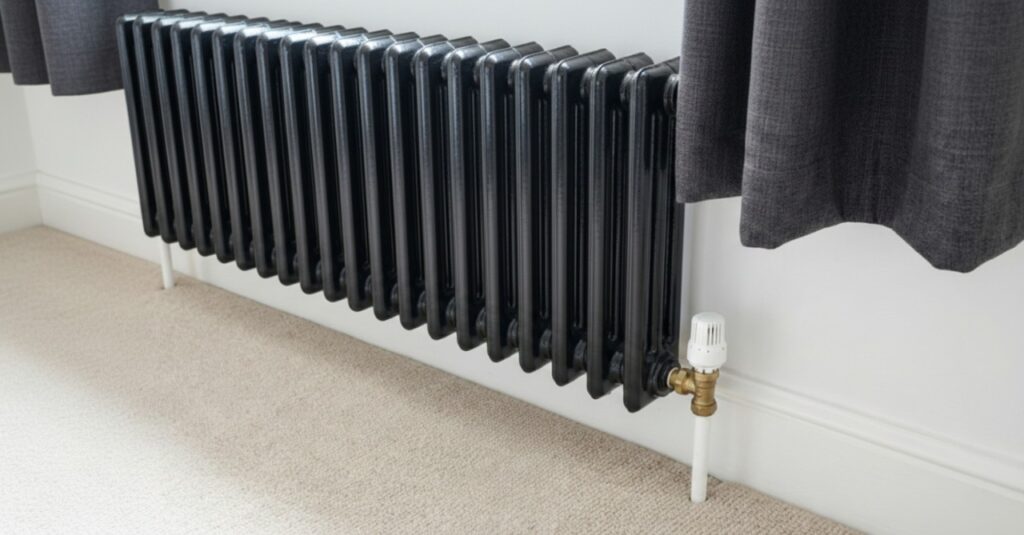
Radiators Not Heating Properly





This makes boiler codes feel a lot less intimidating — comparing them to car warning lights really puts it into perspective. It’s interesting how many issues homeowners could solve themselves just by recognising codes like low pressure before calling an engineer. It’d be great to see a simple list of the most common codes people in Slough encounter so we know what’s urgent and what’s a quick fix.
Thank you! We love the car analogy too so it really does help people understand that error codes are there to help, not confuse.
Brilliant idea about a quick-reference list for Slough homeowners. Based on our local callouts, here’s what we see most:
✅ Easy DIY: F22, F1, A1, E119 (low pressure) | EA, F28 (frozen pipe)
🚨 Call engineer: C6 (fan fault) | Gas smell | Repeated lockouts
We’re planning to create a downloadable guide with this info, watch this space! And remember, we’re always here if you need a second opinion on any code.