Skip to content
Radiators Not Heating Properly
Causes, Fixes & Expert Advice
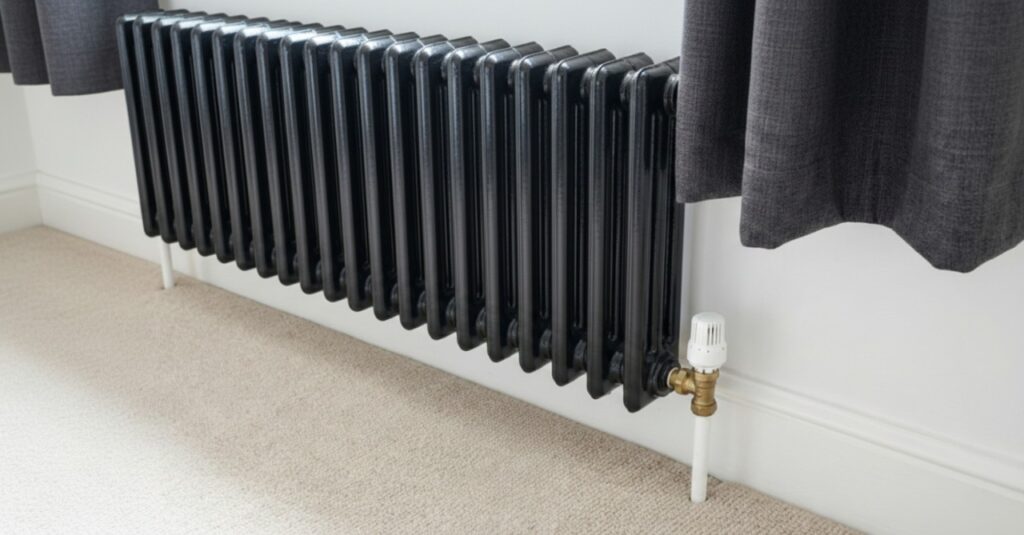
When radiators are not heating properly, it’s more than just uncomfortable. It’s a sign something isn’t working as it should in your central heating system. You might notice cold radiators, uneven heat, or a radiator that stays cold even when the boiler is on.
The good news? Most radiator heating problems have clear causes and straightforward fixes. In this guide, we’ll break down why radiators stop heating up, how to fix them safely, and when it’s time to call a professional heating engineer.
How Central Heating Systems Work?
Understanding how your heating system works makes radiator troubleshooting much easier. In a typical central heating system, your boiler heats water and pushes it through pipes using a circulation pump. That hot water flows into each radiator, where heat is released into the room before returning to the boiler.
Thermostatic radiator valves (TRVs) and lockshield valves control how much heat each radiator receives. If any part of this system fails, pressure drops, air gets trapped, valves stick, or sludge builds up, radiators may not heat up properly.
Common Causes of Radiators Not Heating Properly
Trapped Air in the Radiator
One of the most common reasons for radiators not heating up is trapped air. If your radiator is cold at the top but warm at the bottom, air is preventing hot water from circulating fully.
Sludge and Blockages
If a radiator is cold at the bottom, the issue is often sludge build-up. Over time, rust, dirt, and debris collect inside radiators, reducing heat output and efficiency. This can lead to multiple radiators not heating properly.
Stuck or Faulty Thermostatic Radiator Valve (TRV)
A stuck TRV can stop a radiator from heating even when the rest of the system works fine. This is especially common after the heating has been off for long periods.
Incorrect or Closed Valves
Sometimes the fix is simple. A closed or poorly adjusted valve can stop hot water from entering the radiator altogether.
Low Boiler Pressure
Low boiler pressure affects the entire heating system. If pressure drops below the recommended range, radiators may stay cold or heat unevenly.
Circulation Pump Problems
If hot water isn’t circulating properly, the circulation pump may be struggling or failing. This often results in cold radiators throughout the house.
Boiler or Heating Control Issues
Incorrect heating settings, boiler error codes, or a malfunctioning diverter valve can prevent radiators from receiving heat.
Unbalanced Radiator System
When radiators are not balanced correctly, some heat up faster than others. This leads to uneven heating and poor comfort.
Step-by-Step Fixes for Radiators Not Heating Up
How to Bleed a Radiator
Bleeding radiators removes trapped air and restores proper heat flow.
- Turn off the heating system
- Use a radiator key to open the bleed valve
- Release air until water flows steadily
- Close the valve and recheck boiler pressure
This simple fix often solves radiators not heating properly.
How to Balance Radiators
Balancing radiators ensures hot water flows evenly throughout your home. It involves adjusting lockshield valves so each radiator heats at a similar rate.
Checking and Freeing a Stuck TRV
Remove the TRV head and gently press the valve pin. If it’s stuck, carefully loosen it until it moves freely again.
Topping Up Boiler Pressure
If boiler pressure is low, follow the manufacturer’s instructions to repressurise the system. Correct pressure is essential for proper radiator heating.
Flushing Sludge and Blockages
For severe sludge build-up, a power flush or system flush may be required. This restores radiator efficiency and prevents long-term damage.
DIY Tools and Safety Tips You’ll Need
Before starting any radiator maintenance:
- Radiator bleed key
- Cloth or towel
- Adjustable spanner
- Gloves for protection
Always turn off the boiler and allow radiators to cool before working on them. If you’re unsure, it’s best to stop and seek professional help.
When to Call a Professional Heating Engineer
DIY fixes are useful, but some problems need expert attention. Call a professional if:
- Radiators stay cold after bleeding
- Multiple radiators are not heating
- Boiler pressure keeps dropping
- You hear unusual noises from the system
- The circulation pump or boiler appears faulty
A qualified engineer can diagnose issues safely and prevent costly future repairs.
Seasonal Radiator Maintenance and Prevention
Preventative care helps avoid radiator problems during colder months:
- Bleed radiators before winter
- Check boiler pressure regularly
- Use corrosion inhibitors
- Install magnetic filters to reduce sludge
- Schedule annual heating system servicing
Seasonal maintenance improves reliability and energy efficiency.
Radiator Efficiency, Energy Bills & Comfort
Radiators that aren’t heating properly waste energy and increase heating bills. Ensuring proper heat output, balancing the system, and keeping radiators clean can significantly reduce energy costs. Even small improvements in radiator efficiency make a noticeable difference in comfort.
Final Thoughts & Expert Help
Radiators not heating properly are usually caused by air, sludge, valve issues, or pressure problems. Many fixes are simple, but ignoring them can lead to bigger heating system failures.
If your radiators still aren’t working as they should, professional help ensures your system runs safely, efficiently, and reliably, keeping your home warm when it matters most.
FAQs
What causes radiators not to heat up?
Radiators usually don’t heat up due to trapped air, sludge build-up, low boiler pressure, or a stuck thermostatic radiator valve preventing hot water flow.
What is the most common part failure that causes no heat?
The most common failure is a stuck or faulty thermostatic radiator valve (TRV), which stops hot water from entering the radiator even when heating is on.
What are the three main causes of radiator failure?
The main causes are trapped air in radiators, sludge or blockages in the system, and faulty or incorrectly set radiator valves.
How do you fix uneven heating?
Uneven heating is fixed by balancing radiators, bleeding trapped air, checking valve settings, and ensuring correct boiler pressure across the system.

how to bleed radiators correctly
Radiators Not Heating Properly