 Skip to content
Signs Your Boiler Needs Repair: Early Warning Indicators (Don't Ignore These!)
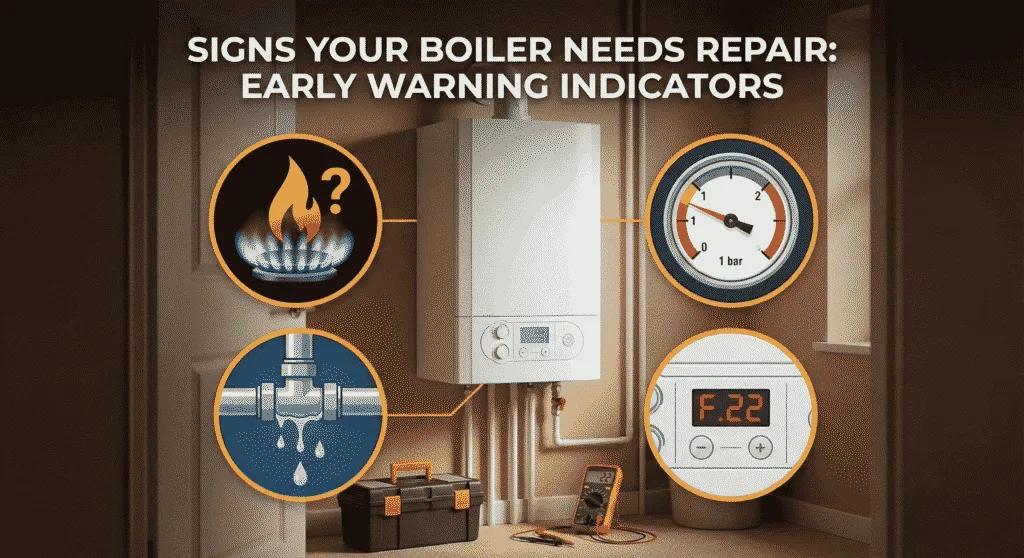
Imagine this: it’s 2 am on a freezing January night. You wake up shivering, your breath visible in your own bedroom. You stumble downstairs to check the boiler, and instead of its usual gentle hum, there’s nothing but eerie silence. Your boiler’s given up.
Here’s the thing: this nightmare scenario almost never happens without warning. Boilers are actually quite chatty when something’s wrong. They make strange noises, spring leaks, struggle to heat your home, and display all sorts of telltale signs weeks or even months before they completely pack in.
The difference between a £150 repair and a £3,000 emergency boiler replacement often comes down to one thing: catching the warning signs early.
Why Catching Boiler Problems Early Matters
Let’s talk money. A simple repair, replacing a faulty sensor or cleaning a blocked component, typically costs £80-150. Ignore that same warning sign? That £150 problem can cascade into something much worse. A failing pump that’s ignored can damage your heat exchanger (£600-800 repair).
Emergency callouts during winter cost 50-100% more than planned repairs. You’re paying premium rates, often waiting days for an available engineer, and shivering in the meantime.
Average Repair Costs by Problem Type
Problem Severity | Typical Issues | Cost Range | Timeline |
Simple Fixes | Sensor replacement, pressure valve, thermostat | £80-£150 | Same day |
Moderate Repairs | Pump replacement, diverter valve, PCB repair | £150-£400 | 1-2 days |
Major Repairs | Heat exchanger, major leaks, multiple components | £400-£800 | 2-5 days |
Beyond Repair | Old boiler, multiple failures, obsolete parts | £1,800-£3,500 | New installation |
Beyond money, there’s something far more important: your family’s safety. Faulty boilers can produce carbon monoxide (CO), an odourless, colourless gas that kills around 50 people per year in the UK. Warning signs of incomplete combustion often appear weeks before dangerous CO levels build up.
Critical Warning Signs (Call Engineer Immediately)
Gas Smell Around Your Boiler
If you smell gas anywhere near your boiler, even faintly, this is a genuine emergency. Natural gas is odourless, but suppliers add a distinctive smell (like rotten eggs or sulfur) so you can detect leaks.
Immediate action steps:
- Don’t touch any electrical switches
- Open all windows and doors
- Turn off gas supply at the meter
- Evacuate everyone from the property
- Call National Gas Emergency: 0800 111 999
Never ignore a gas smell. After the emergency team makes your property safe, contact our emergency boiler repair service in Slough for professional diagnosis.
Yellow or Orange Pilot Light Flame
The flame should always be a steady, crisp blue. A yellow, orange, or flickering flame is a serious warning sign indicating incomplete combustion, which produces carbon monoxide.
Additional danger signs:
- Weak or lazy-looking flame
- Flame lifts away from pilot assembly
- Orange streaks or tips
- Flame randomly goes out
Don’t attempt to adjust this yourself. Turn off your boiler and call a Gas Safe engineer immediately.
Visible Soot or Black Marks
Any black marks, soot deposits, or dark staining around your boiler shouldn’t be there. Soot indicates incomplete combustion and potential carbon monoxide production.
Check particularly:
- Around boiler casing seams
- Near the flue terminal
- On walls or ceiling above boiler
- Inside viewing window
Any soot or black marks require emergency inspection.
Carbon Monoxide Alarm Sounding
If your CO alarm goes off, believe it. Symptoms of carbon monoxide poisoning include headaches, dizziness, nausea, tiredness, and confusion.
What to do:
- Evacuate everyone immediately
- Open all windows and doors as you leave
- Call 999 and report suspected CO poisoning
- Don’t re-enter until emergency services declare it safe
Urgent Warning Signs (Schedule Repair This Week)
Complete Loss of Heating or Hot Water
Before panicking, check these simple things:
- Power supply: Is boiler switched on? Has a fuse blown?
- Gas supply: Do other gas appliances work? Check prepayment meter credit.
- Thermostat: Set higher than room temperature? Check batteries.
- Boiler pressure: Below 1 bar? Top it up using your filling loop (see our boiler pressure guide).
If you’ve checked all these and there’s still no heating, your boiler needs professional attention. Don’t keep pressing reset the “two reset rule” applies: try twice, then call an engineer.
Water Leaking From or Around Boiler
Any visible water around your boiler is serious. Common leak sources include corroded pipes, pump seals, pressure relief valve, heat exchanger, or loose connections.
Turn off your boiler immediately. Water can damage electrical components, and leaks only worsen. Mop up water and call an engineer.
Boiler Keeps Locking Out with Error Codes
Modern boilers display error codes when something’s wrong. If your boiler constantly locks out, it’s protecting itself from operating unsafely.
Common error codes by brand:
Brand | Error Code | What It Means | Urgency |
Worcester Bosch | EA | Flame detection failure | Urgent |
C6 | Fan or flue problem | Very urgent | |
A1/229 | Low pressure | Moderate | |
Vaillant | F22 | Low water pressure | Moderate |
F28/F29 | Ignition failure | Urgent | |
F75 | Pressure sensor/pump | Moderate | |
Ideal | L2 | Ignition lockout | Urgent |
F1 | Low pressure | Moderate | |
Baxi | E119 | Low system pressure | Moderate |
E133 | Gas supply problem | Urgent |
For detailed explanations, check our boiler error codes guide.
Dramatic Pressure Fluctuations
Your boiler pressure should sit between 1 and 1.5 bar when cold, remaining stable for months. Rapid pressure drops (1.5 bar to zero within hours/days) indicate significant leaks. Pressure shooting above 2.5 bar suggests expansion vessel failure.
Normal maintenance means topping up maybe twice yearly. Monthly, weekly, or daily top-ups require professional diagnosis immediately.
Common Warning Signs (Book Repair Soon)
Strange Noises Your Boiler Makes
Kettling (Loud Boiling Sound): Caused by limescale buildup on the heat exchanger, restricting water flow. Particularly common in hard water areas like Slough. Left untreated, kettling damages your heat exchanger. Fix: power flush or chemical descaling.
Banging or Clunking: Possible causes include air in system, failing pump, delayed ignition, or loose components. Occasional gentle banging as pipes expand is normal. Persistent loud banging is not.
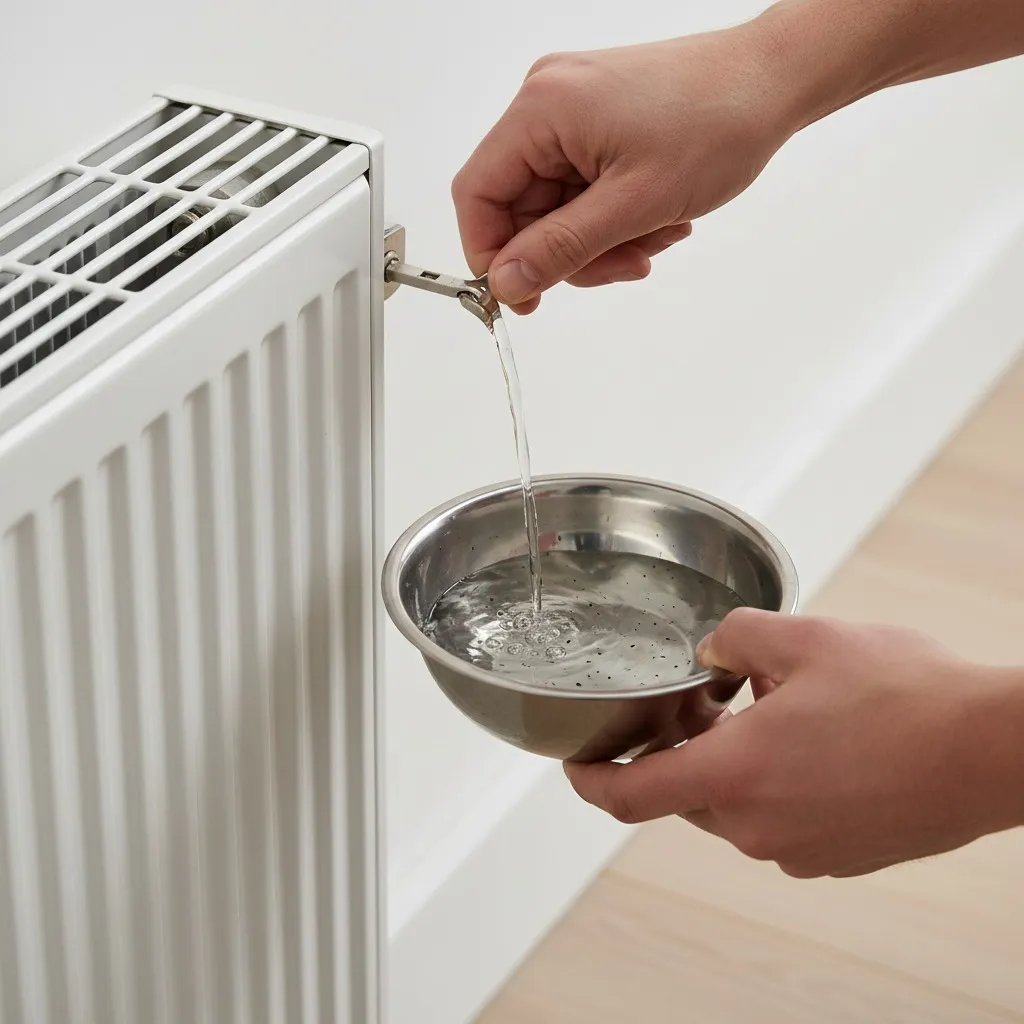
Whistling or High-Pitched Whine: Usually indicates air in system or pump speed set too high. Bleed radiators first; if whistling continues, call an engineer.
Gurgling or Bubbling: Often air-related. Bleed radiators if they gurgle. If the boiler itself gurgles constantly, there might be circulation problems.
Inconsistent Heating Performance
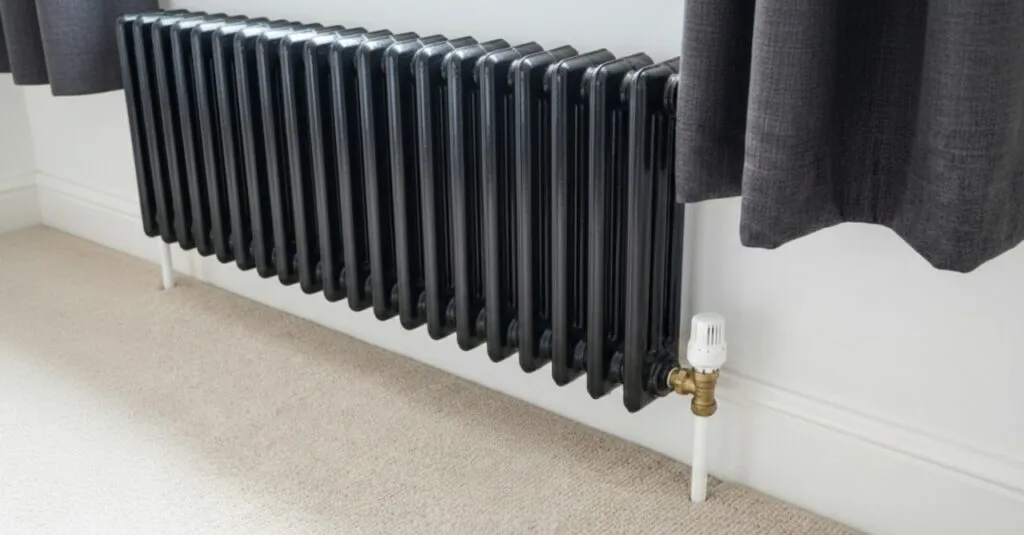
Some Radiators Not Heating: Check for air first (bleed them). If that doesn’t help: TRV stuck closed, system badly balanced, sludge buildup, or weak pump circulation.
Hot Water Works But No Heating (or Vice Versa): In combi boilers, it is usually a failed diverter valve. Common in 5-10 year old boilers.
Heating Takes Ages to Warm Up: If rooms that warmed in 10-15 minutes now take 30-60 minutes, efficiency is dropping. Could be failing pump, circulation issues, or dirty heat exchanger.
Rising Energy Bills (Unexplained Increase)
If bills have climbed 15-20%+ without usage changes, your boiler’s efficiency is declining. Dirty heat exchangers, failing components, poor combustion, or system sludge force your boiler to burn more gas.
Our boiler servicing in Slough includes combustion analysis, revealing efficiency problems before they become expensive failures.
Boiler Short-Cycling (On/Off Frequently)
Short-cycling means your boiler fires up, runs briefly, shuts down, then fires up again moments later. This wastes energy and causes excessive component wear.
Common causes:
- Oversized boiler for your home
- Faulty thermostat giving incorrect readings
- Blocked heat exchanger causing rapid overheating
- Flow sensor problems
Subtle Warning Signs (Monitor Closely)
Age of Your Boiler (10+ Years Old)
The average boiler lifespan is 10-15 years. After 10 years, efficiency declines and repairs become more frequent. If your boiler is over 10 years old and showing other warning signs, consider whether repair or replacement makes more sense.
The 50% rule: If repair costs exceed 50% of a new boiler’s price, and your boiler is over 10 years old, replacement usually makes better financial sense. See our boiler cost guide.
Pressure Issues (Constant Need to Top Up)
Normal: Topping up once or twice yearly
Problem: Monthly top-ups
Serious: Weekly or daily top-ups
Don’t just keep topping up and ignoring the leak. Constant water loss wastes resources and will eventually cause bigger problems.
Seasonal Boiler Problems to Watch For
Frozen Condensate Pipe (Winter #1 Problem)
Modern condensing boilers produce condensate that drains through a pipe to an outside drain. When temperatures drop below freezing, this pipe can ice up, shutting down your boiler.
Symptoms: Boiler won’t start with ignition failure codes (EA, F28, L2) during freezing weather.
Quick fix: Pour warm (not boiling) water over the frozen external pipe until ice melts. Reset the boiler.
Prevention: Insulate external condensate pipe before winter. £5 of pipe insulation prevents £100+ emergency callouts.
DIY Checks Before Calling Engineer
Check 1: Power Supply – Switched on? Fuse box tripped?
Check 2: Gas Supply – Other appliances work? Meter has credit?
Check 3: Thermostat – Set 5°C higher? Batteries OK? Not in holiday mode?
Check 4: Boiler Pressure – Between 1-1.5 bar? Top up if low.
Check 5: Error Codes – Note the code and look it up.
What You Should Never DIY
Don’t ever:
- Open boiler casing yourself
- Work on gas connections
- Replace internal components
- Override safety features
All gas boiler work must be done by Gas Safe-registered engineers. It’s the legal requirements for gas safety.
Repair vs Replace Decision Guide
When Repair Makes Sense:
- Boiler under 8 years old
- Single-component failure
- Repair cost under £500
- No recurring problems
When Replacement Makes More Sense:
- Boiler over 12-15 years old
- Multiple failures
- Repair cost over £800
- Third or fourth repair in two years
Our boiler installation team provides honest advice about repair vs. replacement.
Preventing Boiler Problems
Annual Boiler Service Importance
Annual servicing:
- Catches problems before breakdowns
- Maintains efficiency (saves money)
- Keeps warranty valid
- Ensures safe operation
- Extends boiler lifespan
Cost comparison:
- Annual service: £80-120
- Emergency winter repair: £200-500+
- Premature replacement due to neglect: £2,000-3,500
Monthly Quick Checks
- Visual inspection for leaks, rust, and damage
- Pressure gauge reading normal
- Listen for unusual noises
- Test heating and hot water performance
- Check for odd odours
Takes five minutes monthly and helps spot developing problems early.
Final Thoughts: Trust Your Instincts
If something feels wrong with your boiler, it probably is. You know your system’s normal behaviour. When that changes, pay attention.
Early intervention is always cheaper than emergency repairs. A £150 repair caught early can prevent an £800 failure later. More importantly, catching safety issues early protects your family from carbon monoxide risk.
Don’t wait for a complete breakdown. At the first sign of trouble, investigate. When in doubt, call a professional.
FAQs: Is Your Boiler Healthy?
Q: How do I know if my boiler needs to be replaced?
A: If it’s over 15 years old, needs frequent repairs, or your energy bills are rising sharply, it’s likely time for a new, efficient model.
Q: How do you know if your boiler needs a service?
A: Annual servicing is essential for safety and efficiency. Warning signs include strange smells (like gas), unusual noises, or the pilot light frequently going out.
Q: When should I worry about my boiler?
A: Worry immediately if you smell gas, see black sooty marks on the boiler, or have no heating/hot water. These indicate a dangerous fault needing urgent professional attention.
Q: How do I know if there’s something wrong with my boiler?
A: Look for inconsistent heating, cold spots on radiators, unusual banging or gurgling sounds, or a yellow flame instead of a crisp blue one.
Get Expert Boiler Repair in Slough
At ZR Heatings, we’ve seen every boiler problem imaginable across Slough, Windsor, Maidenhead, and Berkshire. We provide honest diagnoses, fair pricing, and quality repairs that last.
Our services include:
- Emergency boiler repair – 24/7 availability
- Annual boiler servicing – preventative maintenance
- Boiler installation – when replacement makes more sense
All our engineers are Gas Safe registered. We don’t just fix symptoms, we find and resolve root causes.
Don’t ignore the warning signs. Contact ZR Heatings today for expert diagnosis and reliable repairs.
how to bleed radiators correctly
Radiators Not Heating Properly


